
Everyday Care Begins With Knowing Your Pet
At Pets Preference.com, we write about the small decisions that shape a pet’s day: what they eat, where they rest, and how they spend their energy. Our articles put care routines and equipment choices in context, with attention to individual needs and the limits of advice online.

Reading for Your Pet’s Daily Needs
Our topics bring together care questions, home setup decisions, and the practical details worth checking before buying pet equipment.
Buying Guides
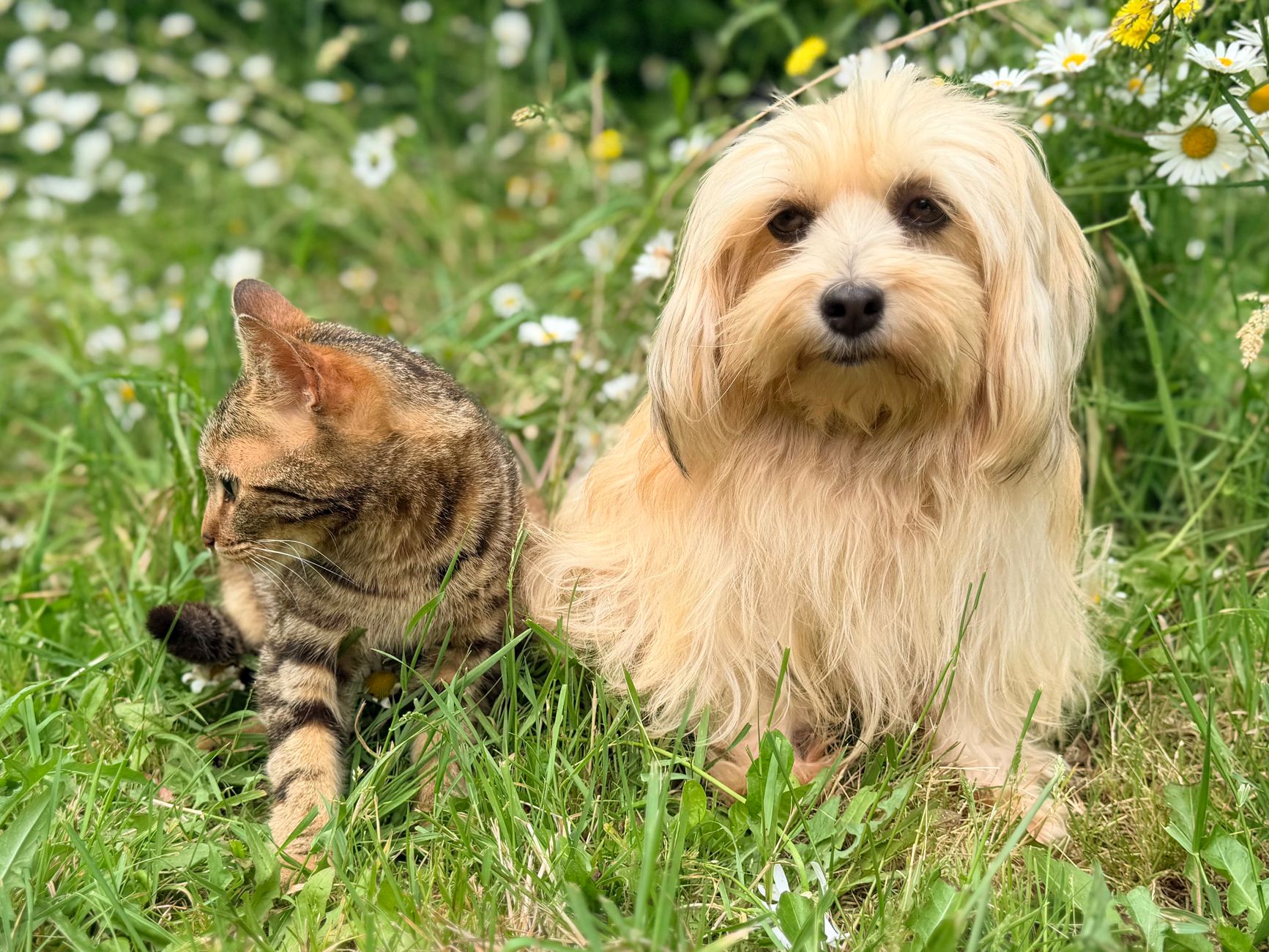
Weigh fit, durability, cleaning needs, and replacement costs before choosing supplies for your pet.
Cats
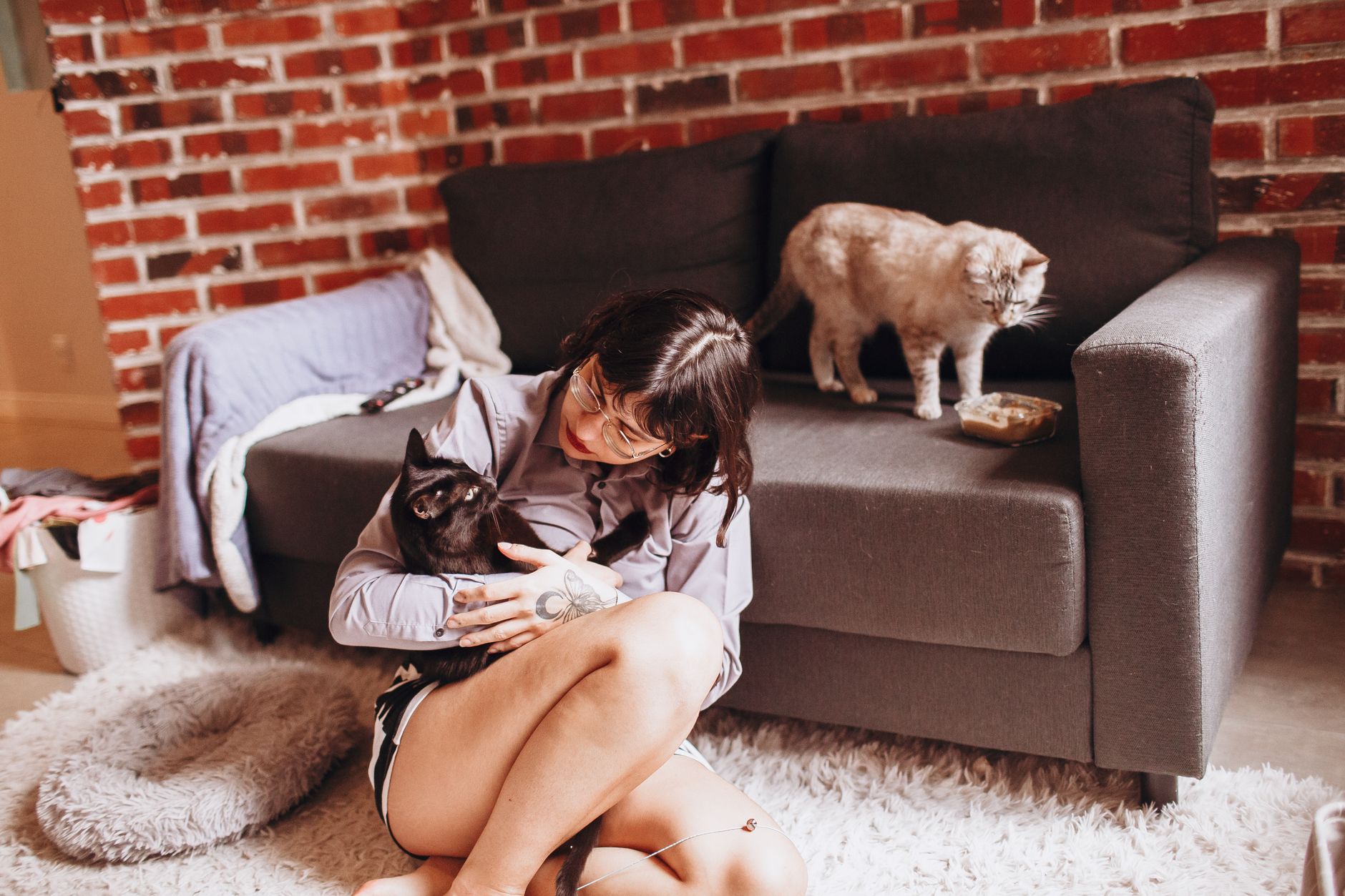
Understand scratching, litter preferences, feeding, and play while making room for quiet retreat and predictable routines.
Dogs
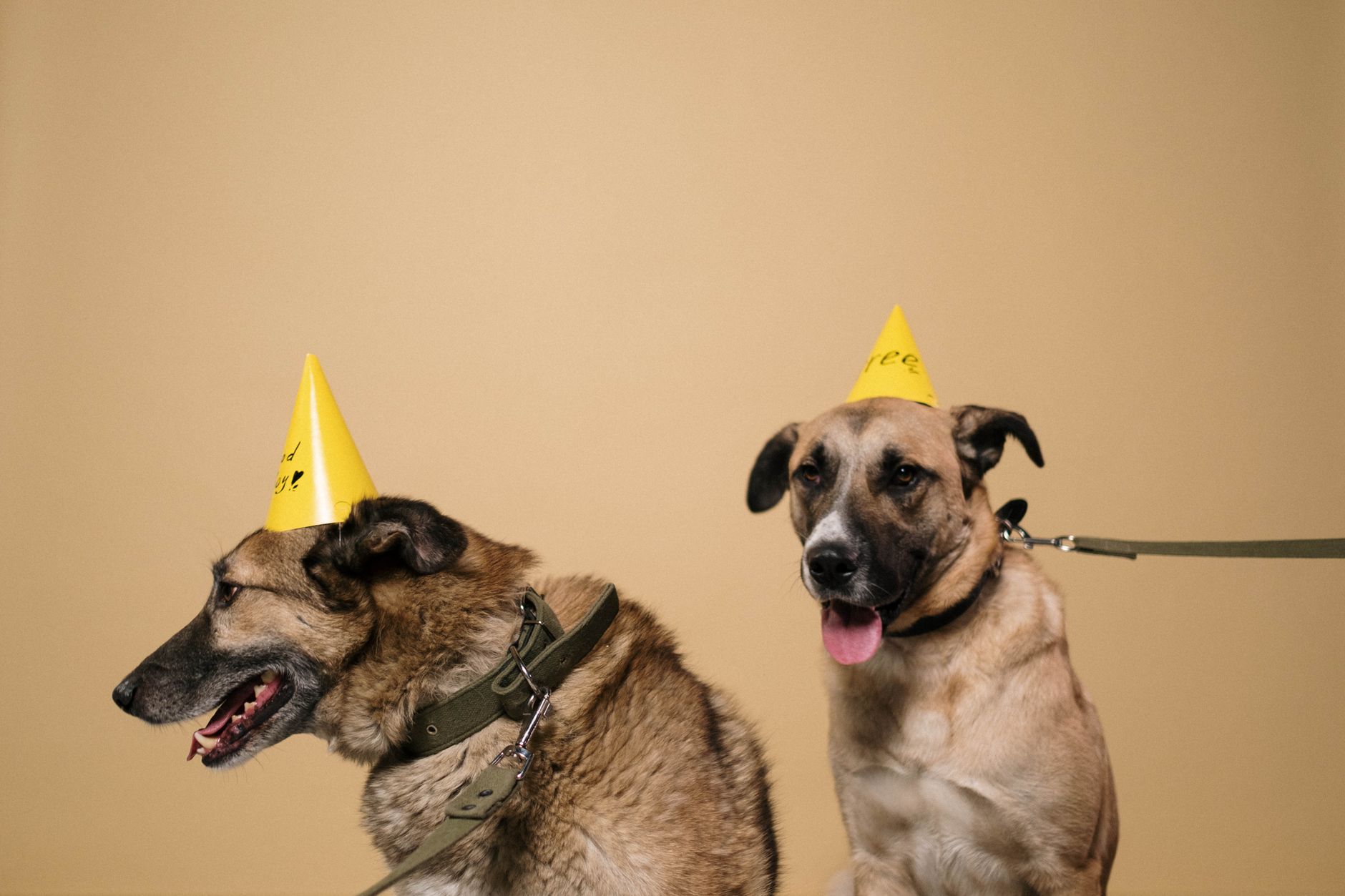
Plan walks, reward-based training, grooming, and rest around your dog’s age, health, and response to everyday situations.
Fish
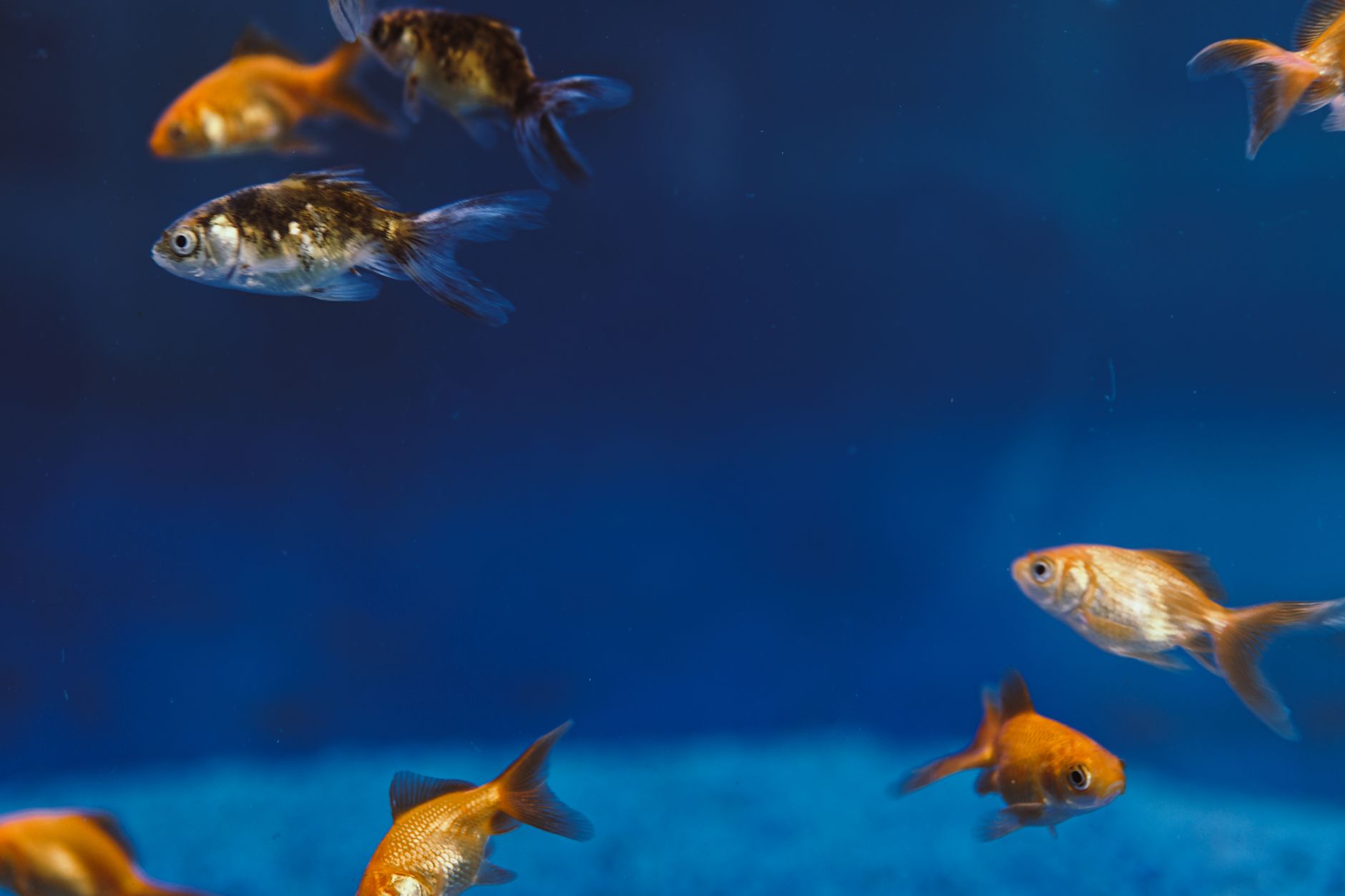
Learn why tank cycling, species compatibility, water testing, and steady maintenance matter more than a tank’s appearance alone.
Latest Articles
Our newest reading on pet care, behaviour, and the decisions behind a workable daily routine.



Small Details That Change Care Decisions
A familiar behaviour can have more than one explanation. Scroll across for points to consider before changing a routine.
CAT BEHAVIOUR
Scratching Needs a Suitable Outlet
Scratching is normal behaviour. A stable surface near a resting spot may be more useful than one tucked away; texture and horizontal or vertical placement also matter.
DOG ROUTINES
Rest Belongs in the Schedule
More activity is not always the answer to restlessness. Consider sleep, discomfort, and overstimulation alongside exercise, and provide a quiet place to settle.
AQUARIUM CARE
Clear Water Is Not a Test Result
Ammonia and nitrite can be present in water that looks clean. Appropriate testing and species-specific water requirements are better checks than appearance.
EQUIPMENT CHOICES
Easy Cleaning Is a Care Feature
Seams, narrow openings, and parts that cannot be removed can make regular cleaning difficult. Check care instructions and replacement availability before buying.
Why Trust Pets Preference.com
Useful pet advice should explain what a recommendation depends on, not simply tell every household to do the same thing. We keep the focus on practical choices and the questions that deserve individual attention.
Context Before Certainty
Species, age, health, and home environment can change what is appropriate. We treat those differences as part of the decision, rather than an afterthought.
Tradeoffs Worth Knowing
Equipment has to work beyond its first day. Our focus includes fit, upkeep, supervision, and ongoing expense-not just a list of features.
Clear Limits to Online Advice
Our articles are general information, not a diagnosis or treatment plan. Sudden changes in appetite, breathing, mobility, or behaviour warrant veterinary advice.
Feeding Enrichment: Three Options Compared
For cats and dogs, feeding enrichment should match the individual animal and the food being offered. Use part of the usual daily ration, start with an easy task, and supervise unfamiliar equipment.
Slow-Feeder Bowl
Useful for: adding obstacles to a meal for pets that eat quickly.
Check first: groove depth, muzzle access, stability, and whether every recess can be cleaned. A difficult design can cause frustration.
Food Puzzle
Useful for: short, supervised sessions that encourage searching or moving parts to reach food.
Check first: difficulty, detachable pieces, and chewing behaviour. Begin with food that is easy to reach rather than the hardest setting.
Lick Mat
Useful for: offering a thin layer of suitable soft food during a supervised activity.
Check first: food ingredients, portion size, and mat condition. Remove it if your pet starts chewing or tearing the material.
For more equipment considerations, read our Buying Guides.
Practical Habits for a More Consistent Routine
Notice What Is Normal
Pay attention to usual appetite, toileting, activity, and resting patterns. A brief note about a change-and when it began-can help you give a veterinarian a clearer history.
Check Fit as Pets Change
Recheck collars, harnesses, carriers, and bedding as your pet grows or changes condition. Look for rubbing, restricted movement, damaged fastenings, and worn surfaces.
Keep Maintenance Manageable
Set a repeatable schedule for washing bowls, refreshing litter areas, and checking equipment. For aquariums, base water changes on test results and the needs of the tank’s inhabitants.
Change One Routine at a Time
When a change is optional, introduce it gradually and watch your pet’s response. Avoid changing food, sleeping arrangements, and enrichment together; it becomes harder to tell what helped or caused difficulty.
More Reading for Everyday Pet Care
Our blog brings together articles on living with cats, dogs, and fish, alongside practical equipment comparisons. Choose the question that matters to your household today.